Sir Reginald "Blinker" Hall
The Admiral Who Read Germany's Mail
Introduction
When people think of British intelligence during the First World War, they often remember spies in trench coats, secret agents slipping across borders, or perhaps the famous Zimmermann Telegram that helped bring the United States into the war. Few, however, recognise the man who sat quietly at the centre of much of it all.
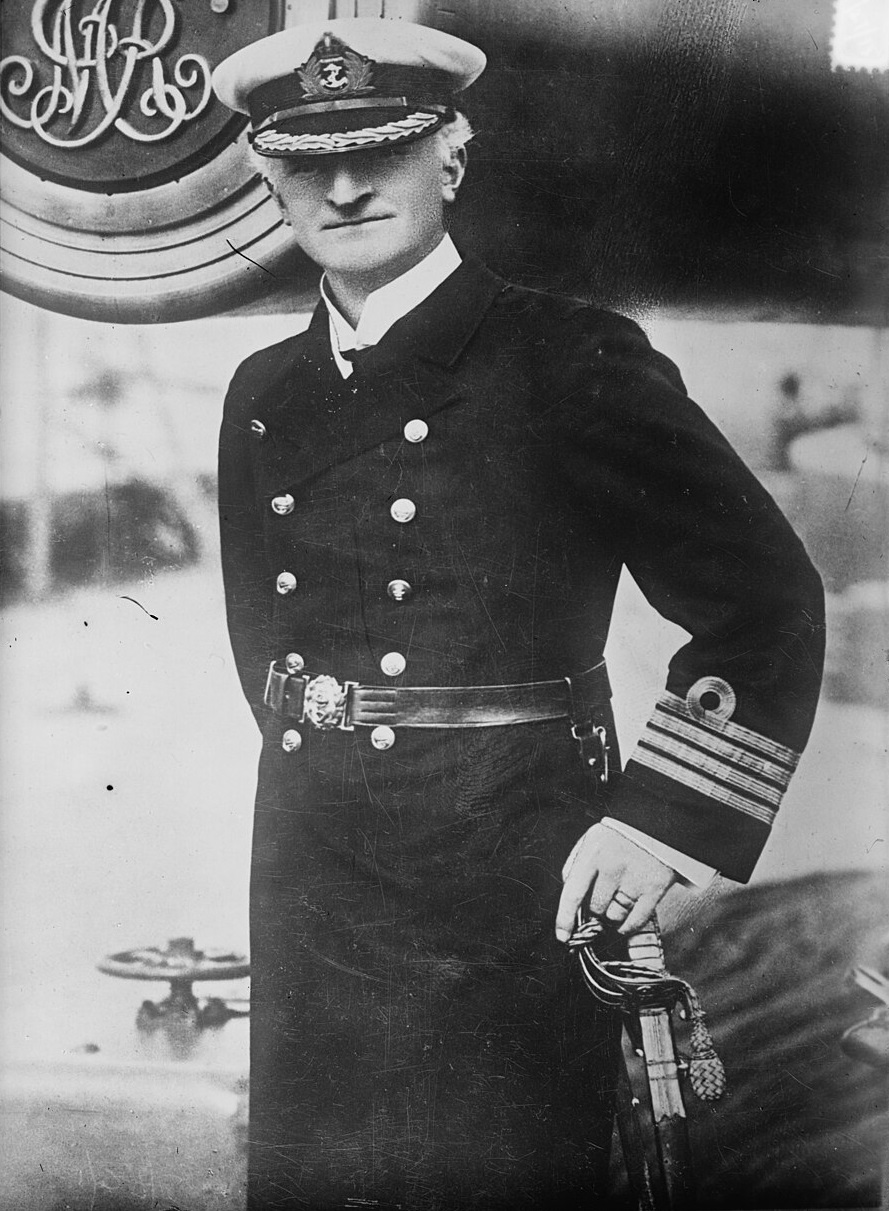
Sir Reginald Hall never commanded armies in the field. He did not devise elaborate disguises or carry concealed pistols. Instead, he built an intelligence organisation capable of reading an enemy's private correspondence on an industrial scale. His greatest weapon was information, and his greatest talent lay in recognising how that information could be turned into political and military advantage.
So why is the man who helped shape the course of the First World War remembered far less readily than many of the spies who worked for him?
The answer lies partly in Hall himself. Unlike many intelligence officers who later wrote memoirs or cultivated their own legends, Hall left remarkably little behind. Much of what he achieved remained classified for decades, while many of his successes became absorbed into the broader history of the war. Yet his influence stretched from Whitehall to Washington and from the Admiralty's secret codebreaking rooms to the highest levels of British government.
From Naval Officer to Intelligence Chief
Reginald Hall was born in 1870 into a distinguished naval family. His father, Sir William Hutcheson Hall, had enjoyed a successful Royal Navy career, and the younger Hall followed the same path, entering the Navy as a cadet while still a boy.
His early service was varied rather than spectacular. He served around the world in an era when Britain's naval supremacy depended upon maintaining an immense global presence. These years exposed him to the practical realities of diplomacy, communications and international politics, all of which would later prove invaluable.
Hall quickly gained a reputation for sharp intelligence, remarkable memory and an ability to size up both people and situations with unusual speed. He was energetic, inquisitive and often unconventional, characteristics that endeared him to some senior officers while irritating others.
He also acquired the nickname by which history remembers him.
His habit of blinking rapidly while concentrating earned him the affectionate sobriquet "Blinker", a name that followed him throughout his career and was used almost universally by colleagues and friends.
Taking Charge of Naval Intelligence
In October 1914, only a few months after Britain entered the First World War, Hall became Director of the Admiralty's Intelligence Division.
It was one of the most demanding intelligence appointments in the world.
The Royal Navy faced the enormous challenge of protecting Britain's trade routes, maintaining the blockade of Germany, hunting U-boats and anticipating the movements of the High Seas Fleet. Every decision depended upon accurate and timely intelligence.
Hall immediately recognised that modern warfare would be won not simply by ships and guns but by information.
Fortunately, Britain possessed one extraordinary advantage.
Shortly after the outbreak of war, British naval forces had seized German codebooks from several vessels, while German overseas telegraph cables had been cut by British cable ships. Increasingly, Germany was forced to rely upon wireless communications and neutral international cables, many of which ultimately passed through British-controlled infrastructure.
Hall intended to exploit that advantage to the fullest.
Room 40 – Reading the Enemy's Mind
The Admiralty's codebreaking organisation occupied an otherwise ordinary suite of offices known simply as Room 40.
There, linguists, mathematicians, classicists, naval officers and gifted amateur cryptographers worked together to decipher intercepted German naval signals.
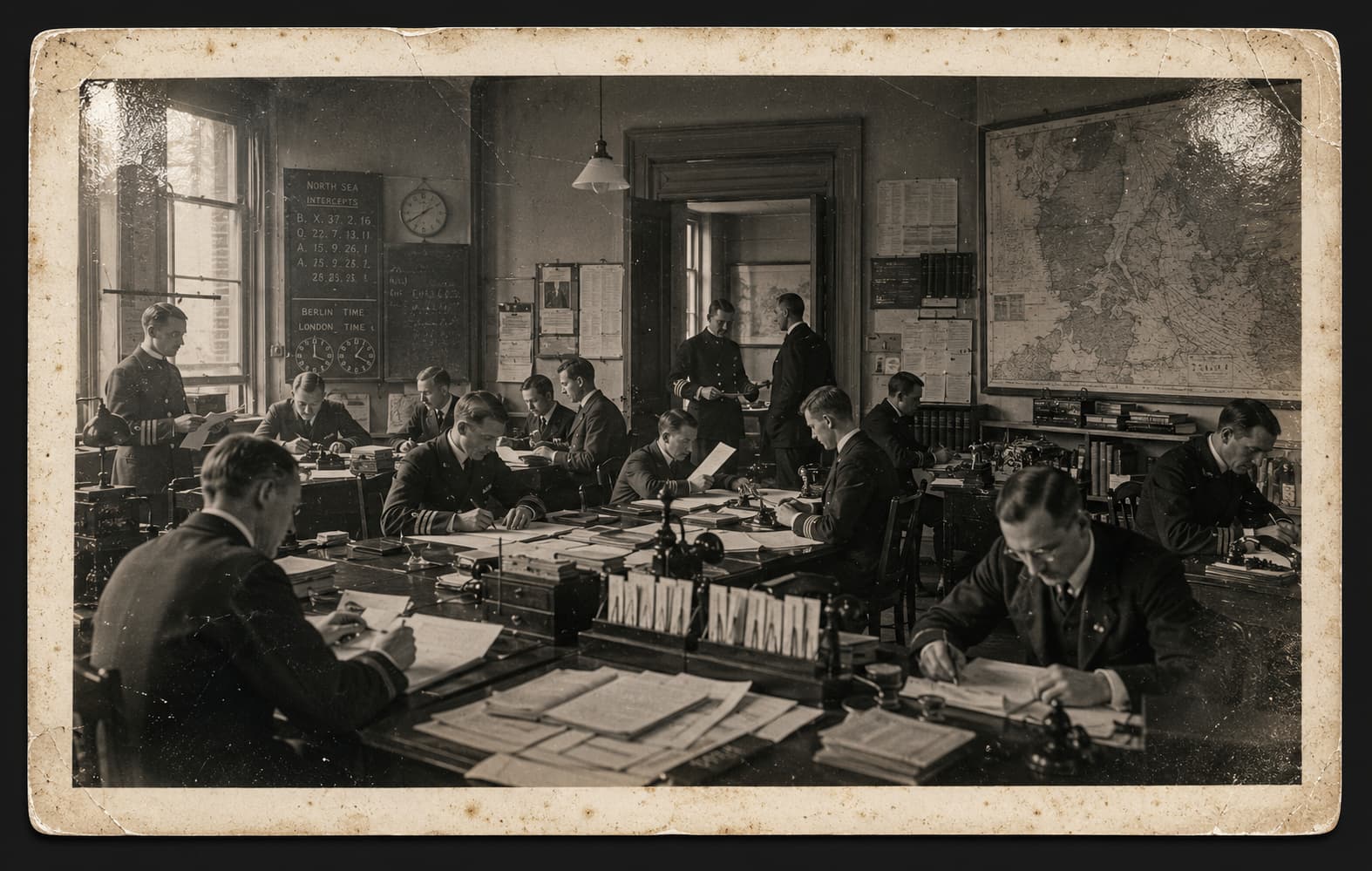
AI-Generated
Contrary to popular imagination, codebreaking was rarely a matter of dramatic inspiration. Most of the work involved painstaking comparison, endless analysis and the gradual reconstruction of entire codebooks from fragments.
Hall understood something equally important.
Decrypting a message was only the beginning.
Someone had to decide which information mattered, how reliable it was, who should receive it, and whether acting upon it might reveal that Britain had broken German codes.
These were strategic rather than technical decisions, and Hall proved exceptionally adept at making them.
Under his direction, Room 40 became one of the most effective intelligence organisations of the war, providing advance warning of German naval operations, monitoring submarine activity and supplying information that influenced both military planning and government policy.
The Zimmermann Telegram
Hall's most famous achievement remains the handling of the Zimmermann Telegram.
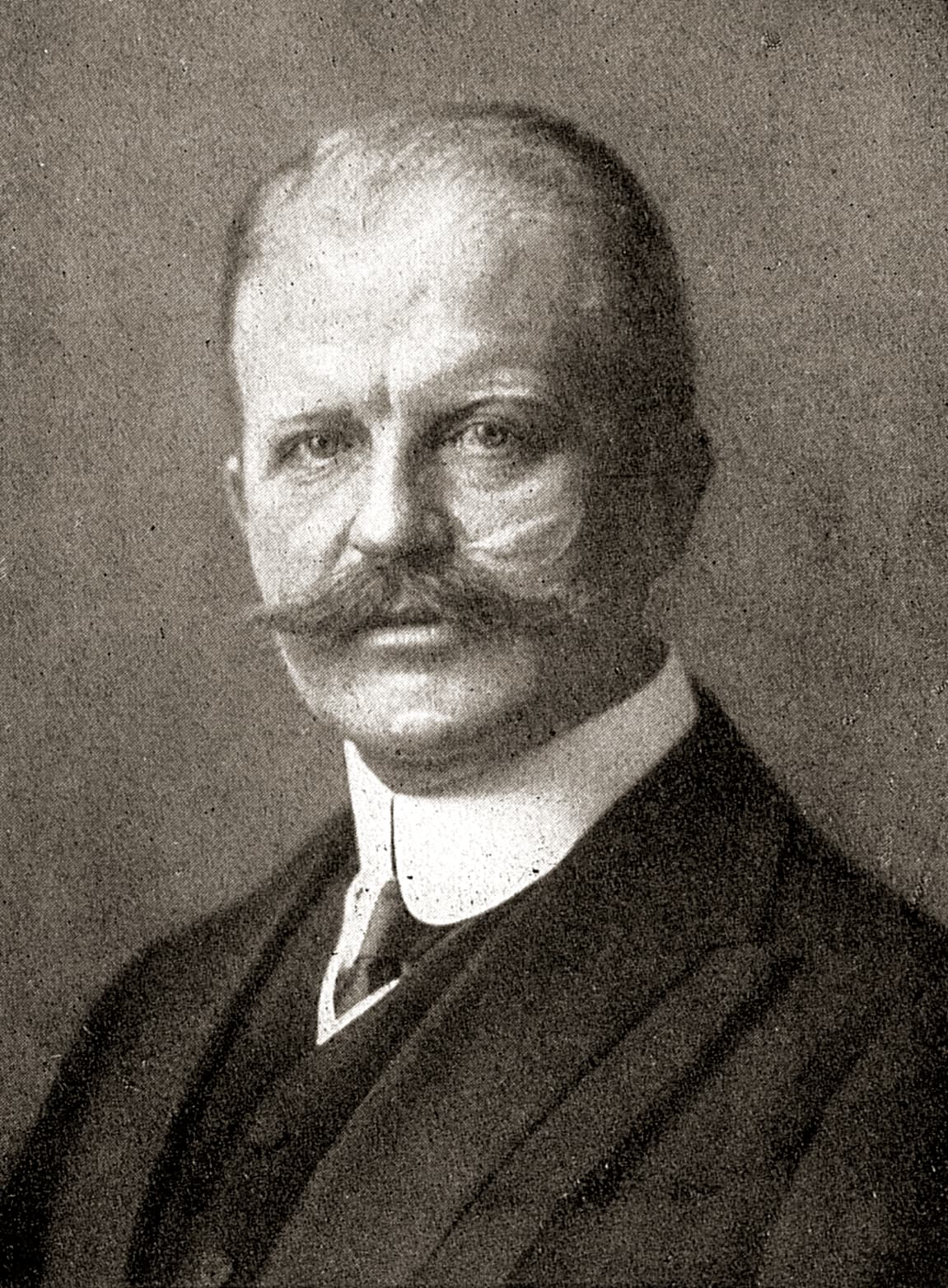
In January 1917, German Foreign Secretary Arthur Zimmermann sent an encrypted message proposing a military alliance with Mexico should the United States enter the war against Germany. In return, Germany promised support for the recovery of Texas, New Mexico and Arizona.
British intelligence intercepted the telegram.
Room 40 decrypted it.
Hall immediately recognised both its significance and its danger. If Britain simply handed the telegram to the Americans, Germany would realise that its highest diplomatic communications had been compromised. Valuable intelligence sources could disappear overnight. Instead, Hall carefully constructed an alternative explanation for how Britain had supposedly obtained the message. By protecting the true source of the intelligence while allowing the contents to become public, he achieved one of the greatest intelligence coups in modern history. When the telegram was eventually published, American public opinion shifted dramatically. Within weeks, the United States entered the war. Historians continue to debate precisely how decisive the telegram proved, but few dispute that Hall's handling of it ranks among the finest examples of intelligence management ever undertaken. Working with Britain's Intelligence Pioneers Although Hall is often associated solely with naval intelligence, he formed part of a remarkable generation that created Britain's modern intelligence community. William Melville, the celebrated former Scotland Yard detective, had already demonstrated the value of professional counter-espionage before the war.
Vernon Kell, head of the newly formed Security Service (later MI5),
concentrated upon identifying and neutralising enemy agents operating
inside Britain.
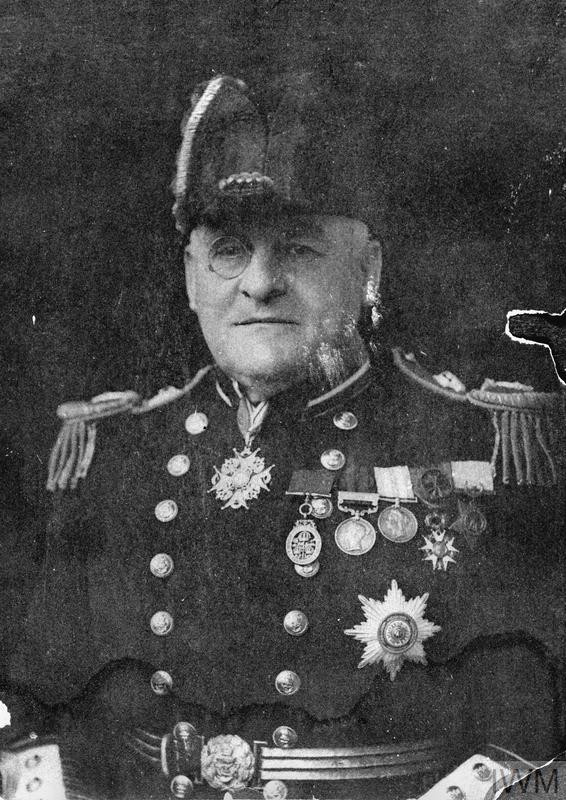
Mansfield Cumming, founder of the Secret Intelligence Service (later MI6), developed Britain's overseas espionage network.
Hall occupied a unique position among them.
Unlike Kell or Cumming, he possessed access to an immense volume of intercepted communications flowing through Britain's naval and cable intelligence systems. His organisation often supplied information upon which the others depended, while equally relying upon their human sources to confirm or explain what the intercepted messages suggested.
The relationship was not always straightforward. Strong personalities, overlapping responsibilities and wartime pressures occasionally produced disagreements, yet together these men established many of the principles upon which British intelligence would continue to operate throughout the twentieth century.
Influence Beyond the Admiralty
Hall's responsibilities extended far beyond naval operations.
He regularly briefed ministers, advised the Admiralty, worked closely with the Foreign Office and maintained contacts across Britain's intelligence community.
He possessed an instinctive understanding that intelligence only becomes valuable when it influences decisions.
Colleagues described him as energetic, persuasive and sometimes manipulative. He could be charming one moment and ruthlessly determined the next. Some admired his brilliance; others considered him dangerously independent.
Perhaps both assessments contained an element of truth.
Hall was not merely collecting information.
He was shaping policy.
Hall in the Hubert & Banfield Novels
Historical Fact
Sir Reginald Hall appears as one of several real intelligence figures who directed Britain's wartime intelligence effort. His position as Director of Naval Intelligence, his oversight of Room 40 and his close interaction with other intelligence leaders are entirely historical.
His involvement with codebreaking, intercepted communications and high-level strategic intelligence reflects the historical record.
Fiction
In the Hubert & Banfield novels, Hall naturally becomes involved in investigations that extend beyond the surviving documentary evidence.
Because the novels follow intelligence officers operating within Britain's secret services, Hall occasionally provides information, authorises operations or influences events behind the scenes. Conversations, meetings and operational decisions involving the fictional protagonists are, of course, imagined.
The intention is not to rewrite history but to place fictional characters alongside genuine historical figures whose responsibilities made such encounters entirely plausible.
An Overlooked Architect of Victory
Unlike Churchill, Jellicoe or Lawrence of Arabia, Hall never became a household name.
Partly this reflected the nature of intelligence work. Successful intelligence officers rarely receive public recognition during their careers.
Partly it reflected Hall himself.
He was more administrator than adventurer, more strategist than field operative. Newspapers found battlefield heroes easier to celebrate than the patient men who spent their days reading intercepted messages inside Whitehall offices.
Later generations also tended to remember Bletchley Park and the codebreakers of the Second World War. Their extraordinary achievements understandably captured the public imagination, but they inevitably overshadowed the equally remarkable pioneers of Room 40 who had demonstrated, a generation earlier, that cryptanalysis could alter the course of world events.
Without Hall and his colleagues, much of Britain's later signals intelligence tradition might never have developed in quite the same way.
A Lasting Legacy
Sir Reginald "Blinker" Hall belonged to the small group of men who transformed intelligence from an occasional military activity into a permanent instrument of national power.
He understood that information had to be collected, analysed, protected and, above all, used wisely. His careful management of Room 40 demonstrated that intelligence could influence diplomacy as profoundly as battles, while his handling of the Zimmermann Telegram remains a masterclass in balancing operational security with political necessity.
Today, his name deserves to stand alongside William Melville, Vernon Kell and Mansfield Cumming as one of the principal architects of Britain's modern intelligence services.
His story reminds us that some of history's most decisive victories were won not by those carrying rifles, but by those quietly reading the enemy's mail.
If you enjoyed learning about Sir Reginald Hall, you may also like to explore the other historical figures featured throughout this website. Many appear in the Hubert & Banfield novels, where carefully researched history and fiction combine to reveal the hidden world of Britain's wartime intelligence services.