

America's Secret War
When the First World War began in August 1914, the United States declared itself neutral. Officially, America stood outside the European conflict. In practice, however, its factories, railways, ports and farms rapidly became an essential part of the Allied war effort.
Britain and France bought enormous quantities of ammunition, explosives, machinery, food and other supplies from American manufacturers. They also bought horses and mules in their hundreds of thousands. All of it had to travel: from factory to railway, from railway to port, and from port across the Atlantic.
To Germany, that supply chain was a legitimate military target.
The problem was that much of it lay inside a country with which Germany was not at war.
The result was an extraordinary clandestine campaign fought across neutral America. Factories burned. Ships caught fire at sea. Attempts were made to disrupt Canadian communications. Railway yards and ammunition depots became targets. Horses destined for the Western Front mysteriously sickened and died.
Behind these apparently unrelated events was an extensive German intelligence and sabotage organisation operating from within the United States.
Von Papen's "War Office"
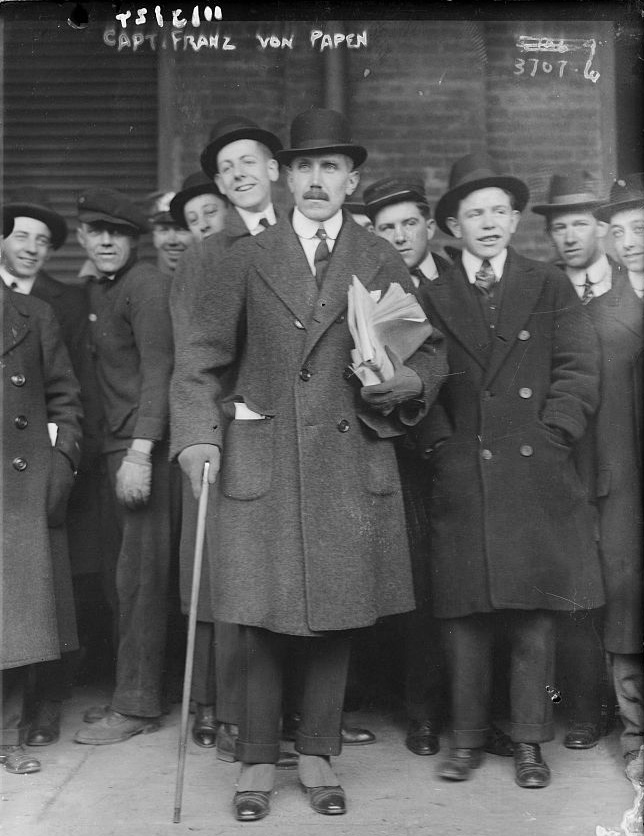
One of the central figures in this hidden war was Captain Franz von Papen, military attaché to the Imperial German Embassy. Diplomatic status gave him an apparently respectable position in neutral America. His real responsibilities extended considerably further.
New York became the operational centre of his activities. Von Papen referred to the organisation he established there as his "War Office" — an appropriate description for a network engaged in intelligence gathering, recruitment, propaganda and increasingly aggressive attempts to interfere with supplies reaching Germany's enemies.
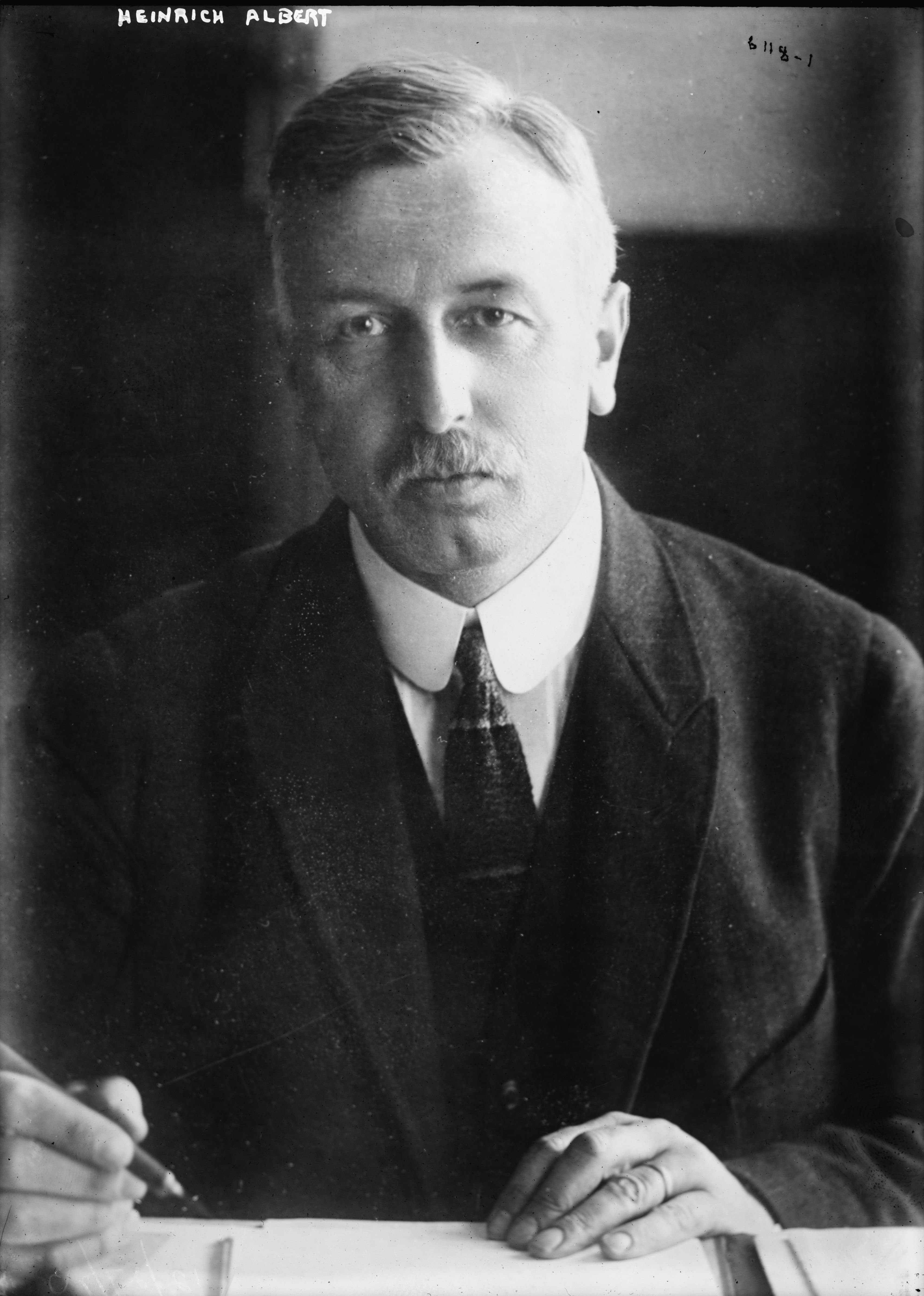
Von Papen was not operating alone. Captain Karl Boy-Ed, the German naval attaché, dealt with naval intelligence and maritime matters. Dr Heinrich Albert handled important financial and commercial business for the German government. German consulates, shipping organisations and commercial contacts provided a ready-made network across the country.
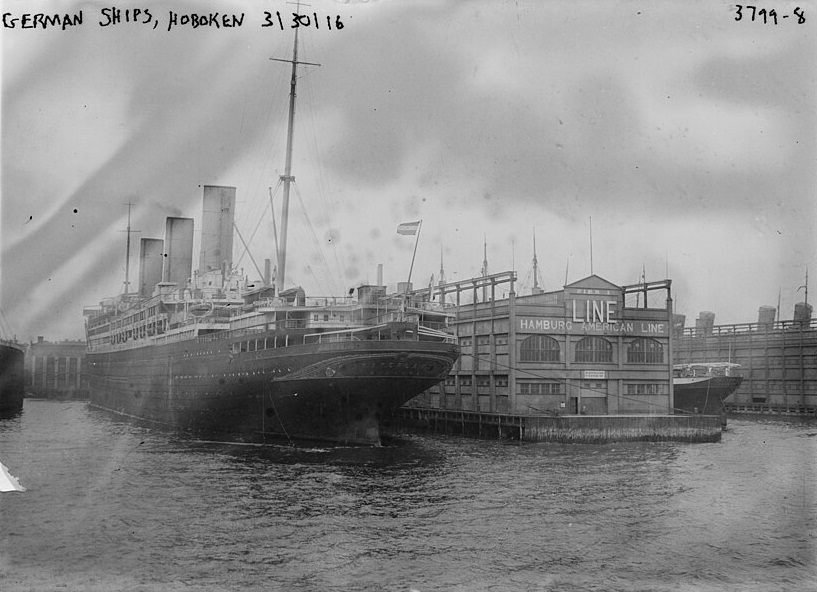
New York was particularly valuable. The outbreak of war had stranded German ships in American ports, together with their officers and crews. These men provided a pool of trained seamen, engineers and committed German nationals who could be recruited for clandestine work. German shipping companies possessed offices, communications, warehouses, piers and detailed knowledge of the movement of vessels through American ports.
One of the most important men in this network was Paul Koenig, an experienced investigator employed by the Hamburg-American Line. Koenig developed networks of informants, conducted surveillance and dispatched agents on behalf of the German government. Von Papen, Boy-Ed and Albert met him frequently.
Neutral New York had become one of the most important fronts in Germany's war against the Allies.


The Welland Canal
Some of the earliest plans reached beyond the United States into Canada.
The Welland Canal was an obvious target. Bypassing Niagara Falls, it connected Lake Erie with Lake Ontario and formed an important part of the route by which Canadian grain and other material could move eastwards towards the Atlantic.
Von Papen became involved in plans to damage or destroy it.
The first scheme involved the German adventurer and intelligence agent Horst von der Goltz. The operation came to nothing, but the objective remained attractive. A later attempt was entrusted to Paul Koenig and his associates, who travelled to the Niagara region and gathered information about the canal and its defences.
Koenig was arrested in December 1915 and indicted in connection with the conspiracy. The affair helped reveal how extensive the German organisation had become. American congressional records subsequently described Koenig as working under von Papen, Boy-Ed and Albert and specifically connected him with intelligence gathering concerning the Welland Canal.
The canal survived. But the conspiracy demonstrated that von Papen's organisation was prepared to contemplate physical attacks on vital infrastructure while operating from neutral American territory.

The War Reaches the Factories
Railways and canals were only part of the supply system. The weapons and materials themselves had to be manufactured somewhere.
American factories working on Allied contracts therefore attracted intense German interest. Fires, explosions and accidents at plants producing war material inevitably raised suspicions of sabotage. Sometimes those suspicions could be proved. Sometimes they could not.
One important example was the great John A. Roebling's Sons works at Trenton, New Jersey. The company was internationally famous for wire and cable and during the war was producing material required by the Allies.
In January 1915 a major fire struck the Roebling works. In the atmosphere of the time, the destruction quickly became associated with fears of German sabotage.
That distinction matters. The German sabotage campaign in America is historical fact, but not every suspicious factory fire can now be assigned confidently to a particular German agent. Industrial accidents were common, evidence could be destroyed by the fire itself, and sabotage was most successful when it looked like an accident.
Roebling therefore belongs to the historical atmosphere of suspicion surrounding America's wartime industries without requiring us to invent a saboteur for whom the evidence does not exist.


The Men Hunting the Saboteurs
America faced an awkward problem. It was encountering a form of state-sponsored clandestine warfare before it possessed the modern national-security machinery needed to combat it.
The federal Bureau of Investigation — predecessor of the FBI — was tiny. It had only a few hundred employees and lacked jurisdiction over many of the activities being uncovered. The Secret Service could investigate some German operations, but there was no integrated American counter-intelligence service capable of taking overall responsibility.
Some of the most effective counter-sabotage work was therefore carried out not by Washington but by New York policemen.
Captain Thomas J. Tunney headed the New York Police Department's Bomb Squad. Tunney and his detectives investigated explosions, mysterious fires and suspected German agents around New York harbour. They followed suspects, watched the docks, examined unexploded incendiary devices and gradually began to expose the networks behind the attacks.
The FBI's own history would later acknowledge that the detectives of the NYPD Bomb Squad proved to be the most experienced and successful anti-sabotage investigators operating in the United States during this period.
Their difficulty was not simply catching people. America was still neutral. Activities that plainly assisted Germany's war effort did not always fit conveniently within existing American criminal law.
Tunney's men were learning how to fight an intelligence war while the law itself struggled to recognise that such a war was taking place.
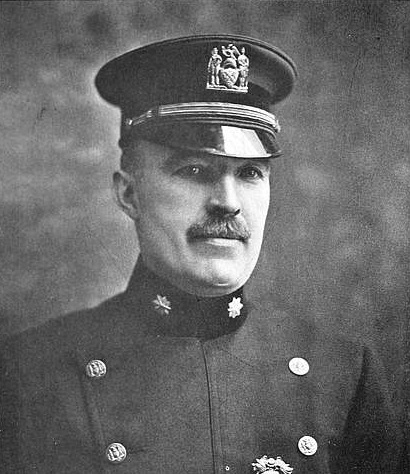
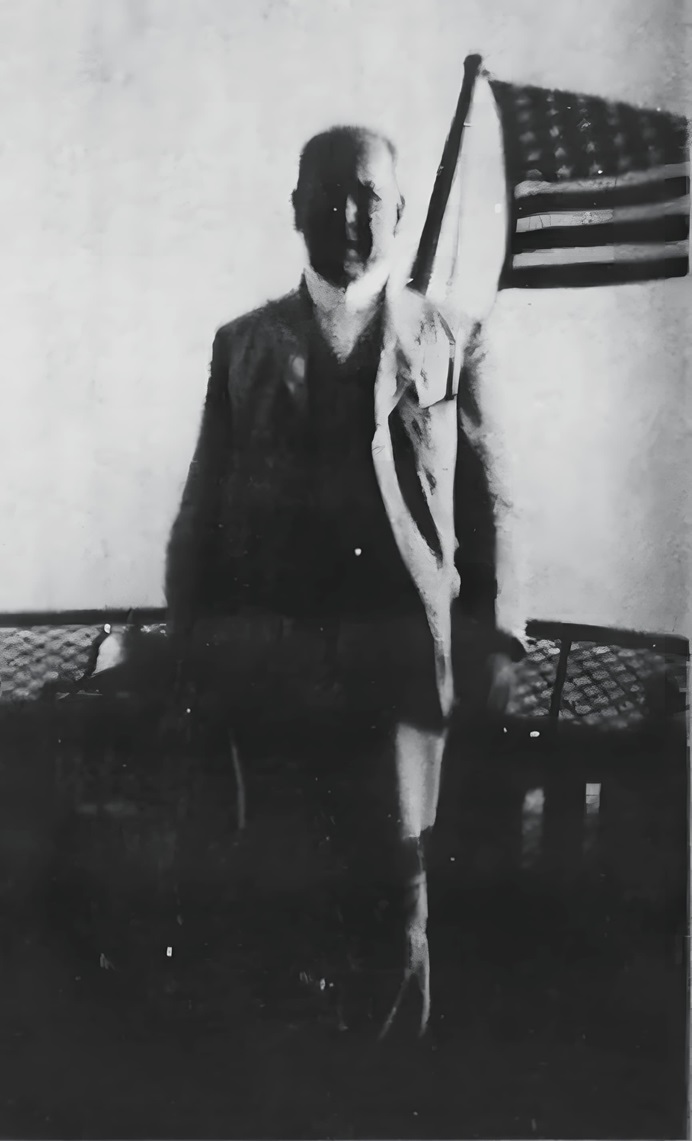
Head of NY Bomb Squad
Walter Scheele and the War at Sea
The Atlantic supply route presented another problem for Germany. Destroying an American factory was dramatic and immediately attracted investigators. A ship, however, could leave New York apparently intact and catch fire days later, hundreds of miles from land.
That possibility interested Walter T. Scheele, a German chemist working in the New York and New Jersey area.
Scheele became associated with Franz von Rintelen, a German naval intelligence officer sent to the United States to disrupt the Allied supply system. Scheele developed small delayed incendiary devices intended to be concealed aboard merchant ships carrying supplies across the Atlantic.
They became known as "cigar bombs" because of their shape.
Their great advantage was delay. A device placed aboard a vessel in New York could remain unnoticed until the ship was well out into the Atlantic. When fire eventually broke out, there might be nothing to connect it with the man who had visited the dock several days before.
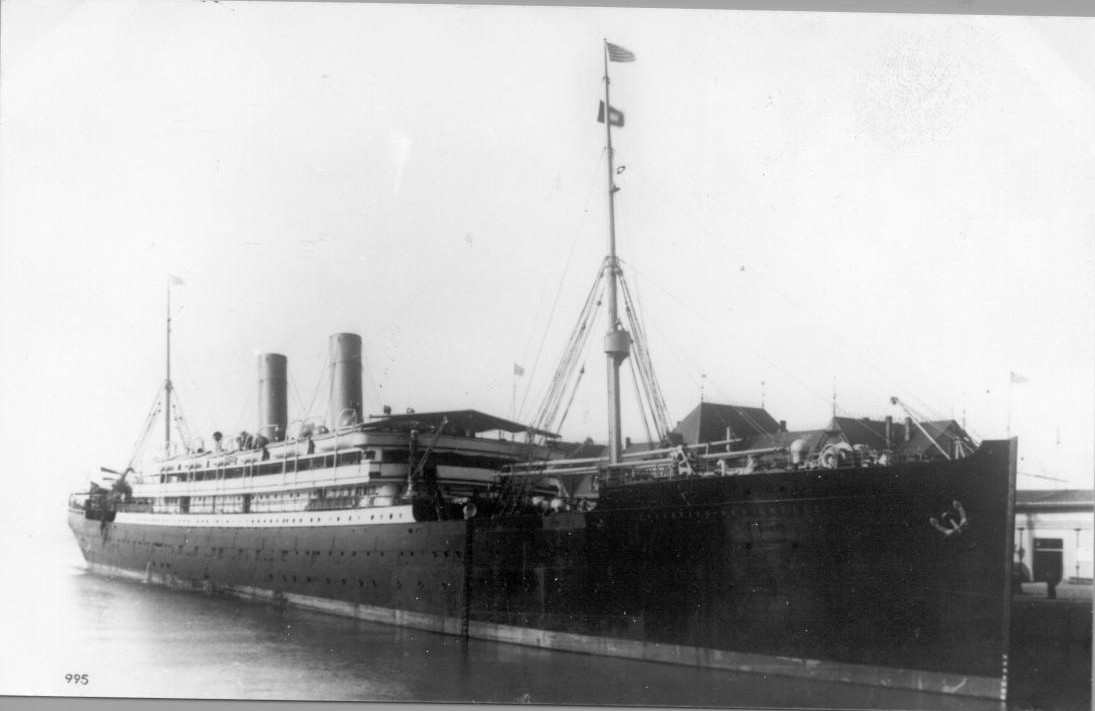
Scheele's operation made remarkable use of Germany's interned merchant fleet. The Friedrich der Grosse, a North German Lloyd liner trapped in American waters by the war, provided a concealed workshop. Scheele later testified that incendiary devices were manufactured in the ship's engine room.
The interned German ships were therefore not necessarily dormant. Their crews, machinery and enclosed spaces offered German intelligence useful resources in the middle of one of the world's busiest ports.
The incendiaries were passed to other members of the network, who obtained information about sailing dates and found ways of placing devices aboard vessels carrying Allied cargo.
Mysterious fires at sea were no longer necessarily accidents.
Black Tom
Then, in the summer of 1916, the secret war produced an explosion impossible to conceal.
Black Tom lay on the New Jersey side of New York harbour, close to what is now Liberty State Park. Once an island, it had been joined to the mainland and developed into a sprawling freight and ammunition terminal connected with the Lehigh Valley Railroad.
War material arrived by rail and accumulated in freight cars, warehouses and barges before being transferred to ships bound for Britain and France.
On the night of 29–30 July 1916, enormous quantities of ammunition and explosives were waiting there for shipment.
Shortly after midnight, fires were seen.
Then Black Tom exploded.
At approximately two o'clock in the morning, the largest detonation illuminated the night sky. Around two million pounds of war material were involved. Railway cars and ammunition were torn apart. Shells and fragments flew through the air. Windows shattered across Jersey City and lower Manhattan. The blast was felt many miles away.
Four people — three men and a baby — died as a consequence of the disaster.
The identity of the saboteurs was not established at the time. The investigation continued for years, however, and the long proceedings of the Mixed Claims Commission eventually established German responsibility. Germany was ultimately required to pay compensation for Black Tom and other acts of sabotage committed while the United States had still been neutral.
The Statue of Liberty
Black Tom also damaged one of the most famous structures in America.
The Statue of Liberty stood less than a mile away on Bedloe's Island. The force of the explosions and flying fragments struck the monument. Shrapnel pock-marked the Statue and the torch-bearing arm suffered damage.
Visitors had previously been able to climb into the torch. After Black Tom, public access was closed.
It has never reopened.
More than a century later, therefore, an act of German sabotage carried out while the United States was still officially neutral continues to affect visitors to the Statue of Liberty.
The symbolism is difficult to miss. A European war from which America was attempting to remain apart had physically struck one of America's greatest national symbols.
A Different Kind of Weapon
Explosives and incendiaries were not the only weapons Germany was preparing inside the United States.
A few miles from the White House, in an ordinary suburban house near Chevy Chase Circle, another German operation was already exploring something considerably more disturbing.
Anton Dilger
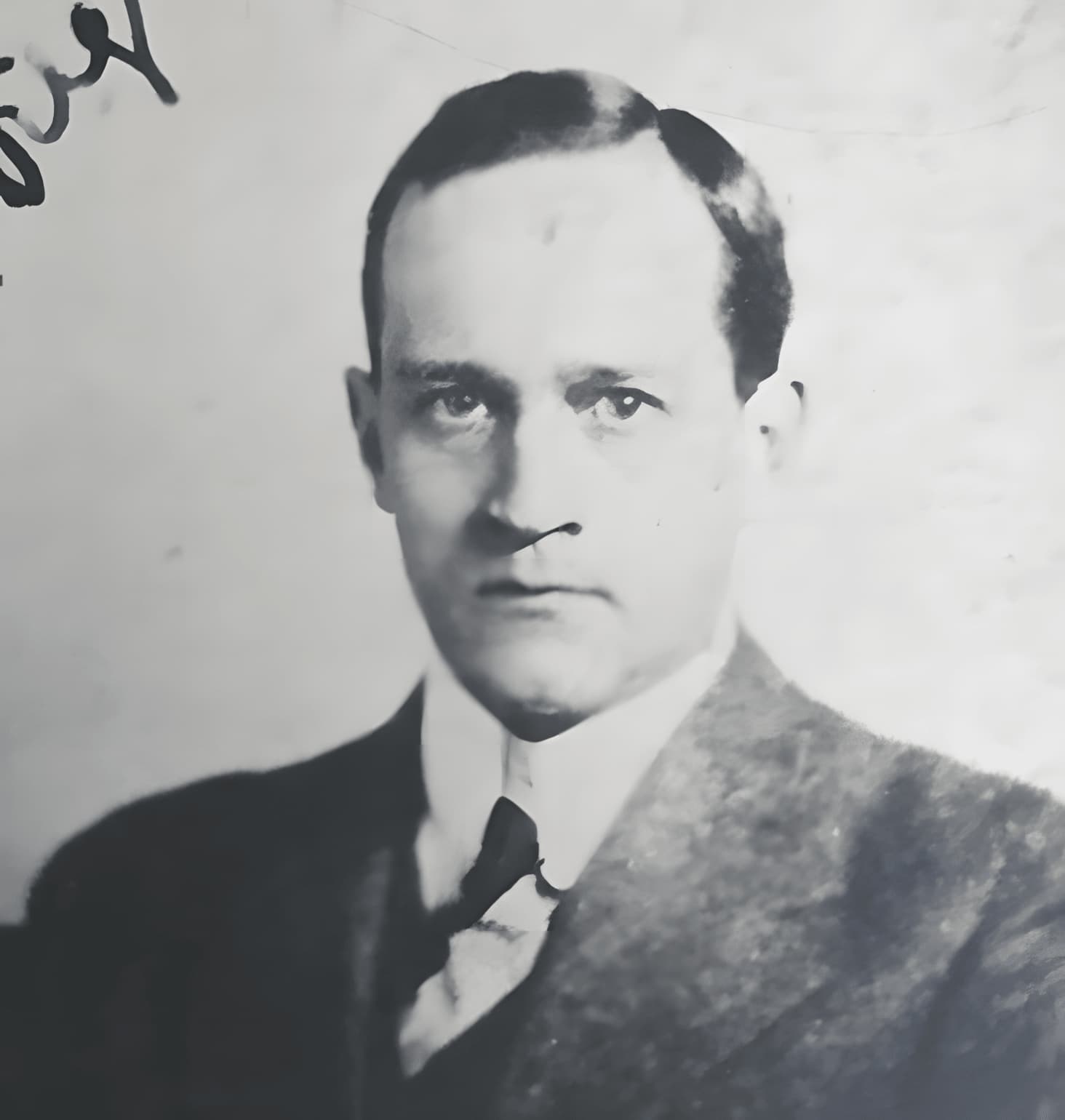
Anton Casimir Dilger was an unlikely foreign agent because, strictly speaking, he was not foreign at all.
He was an American citizen.
Dilger was born on 13 February 1884 at Greenfield, the family horse farm near Front Royal, Virginia. His father, Hubert Dilger, had been born in Germany but had served with distinction in the Union Army during the American Civil War. An artillery officer and exceptional horseman, Hubert was awarded the Medal of Honor for his actions at the Battle of Chancellorsville.
Anton consequently grew up around horses. He learned to ride, hunt and live the life of a prosperous Virginia farm while remaining closely connected to his family's German heritage.
At the age of nine he was sent to Germany for his education, staying with his sister Edna and her family in Mannheim. Medicine already ran through the family, and Anton proved an able student.
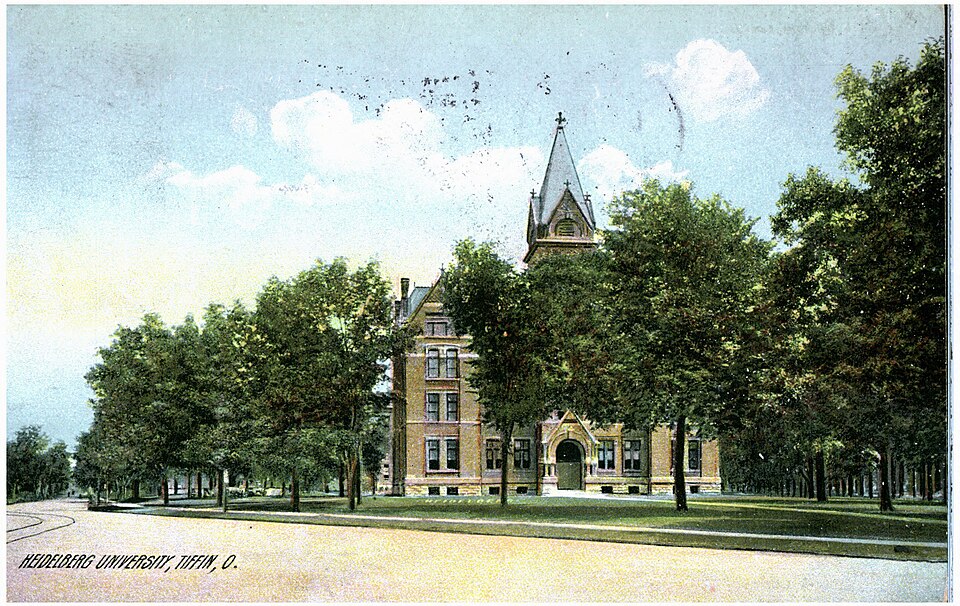
He passed his medical examination at the University of Heidelberg in 1908. By 1909 he was working as an assistant at the university's surgical clinic while conducting research. His studies included microbiology, bacterial culture and the techniques required to establish and maintain a tissue-culture laboratory.
He received his doctorate in 1912.
When war came, Dilger worked as a surgeon in military hospitals in Serbia, Bulgaria and Germany. His sympathies became increasingly pro-German. To German military intelligence he possessed a rare and valuable combination of attributes: he was medically trained, knew bacteriology, understood horses, was culturally German — and carried an American passport.
"Tony's Lab"
In September 1915 Dilger left Germany for the United States while working with the Imperial Prussian War Ministry.
His objective was to attack one of the foundations of Allied military logistics: the horse.
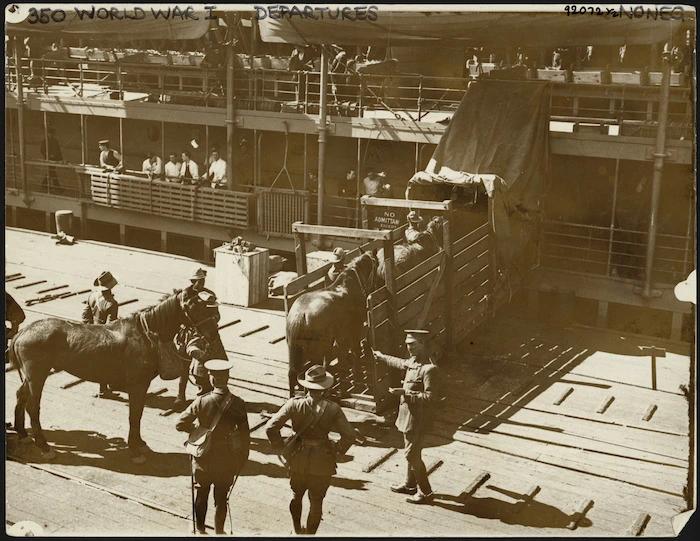
The mechanised image of the First World War can be misleading. Armies still depended enormously upon horses and mules. They hauled artillery, ammunition, food and equipment. America was supplying hundreds of thousands of these animals to Britain and France.
If those animals could be killed before they reached Europe, Allied military capability could be weakened without a single German soldier crossing the Atlantic.
Dilger travelled to Washington and rented a two-storey house in the 5500 block of 33rd Street NW, close to Chevy Chase Circle. The neighbourhood was relatively new and prosperous. Strangers attracted little attention, a tram provided easy access to central Washington, and the house possessed something particularly useful: a spacious basement with a separate entrance.
Dilger established a nominal physician's office but apparently treated no patients.
Instead, with the assistance of his brother Carl, he equipped the basement as a laboratory.
German associates came to know it as "Tony's Lab".
There the brothers cultivated anthrax and glanders. Glanders was particularly dangerous to horses, mules and donkeys; anthrax could also be used against livestock and was dangerous to humans.
The cultures were collected by members of the German sabotage network and carried to ports along the eastern seaboard, including Newport News, Norfolk, Baltimore and New York.
There, recruited dockworkers and other agents attacked horses and mules waiting to embark for Europe. Animals could be deliberately infected, while cultures could also be introduced into their food and water.
The operation was horrifyingly well suited to clandestine warfare. A burning factory immediately suggested sabotage. A sick horse did not. Disease in crowded livestock pens could be attributed to natural infection, sanitation or simple misfortune.
Thousands of horses and mules died in American holding facilities during 1915 and 1916. It is impossible to establish how many deaths resulted directly from deliberate German infection, but the campaign itself is extensively documented.
The Baltimore Connection
Dilger was not operating independently.
German agents from Baltimore regularly collected cultures from the Chevy Chase laboratory. One of the principal figures was Captain Frederick Hinsch, part of a Baltimore sabotage organisation operating from offices associated with the North German Lloyd steamship line.
Hinsch organised German sailors, dockworkers and other recruits for clandestine operations. Paul Hilken acted as an important financial figure within the Baltimore group.
The same clandestine world therefore connected apparently very different forms of attack: maritime sabotage, industrial disruption and biological warfare against the animals upon which the Allied armies depended.
Diplomatic officials, intelligence officers, shipping organisations, scientists, sailors and ordinary dockworkers could all become links in the same chain.
Tunney Gets Too Close
Eventually, Captain Tunney's Bomb Squad began to suspect that German operations extended beyond bombs and shipboard fires.
During the winter of 1915–1916 Tunney received information about an earlier attempt to use disease against animals and became concerned that another attack might be planned. He ordered increased protection around the horse corrals on the New York waterfront and warned those working there to watch for attempts to poison or infect the animals.
Tunney did not know about the house in Chevy Chase.
He did not need to.
Word that the police were asking questions travelled through the German network. Paul Koenig learned of the increased scrutiny around the harbour, and the warning eventually reached the Baltimore group.
At the end of January 1916, Dilger was summoned back to Germany.
"Tony's Lab" had completed its work without being discovered by the American authorities.
Dilger's departure did not end the operation immediately. His brother Carl and others continued clandestine work at the house for a time. But the man who possessed the scientific expertise that had made the biological programme possible had returned to Germany.
The Man They Failed to Recognise
The story contains one final extraordinary illustration of how poorly prepared American federal agencies initially were for this new form of warfare.
Dilger later returned to the United States.
In July 1917 — by which time America itself was at war with Germany — agents of the Bureau of Investigation interviewed him. He was interviewed more than once.
They let him go.
One investigator concluded that Dilger did not appear to be the sort of man who would commit a traitorous act against the United States.
The American-born doctor who had established a clandestine biological warfare laboratory within a few miles of the White House had passed through the Bureau's hands without being recognised for what he was.
Dilger subsequently continued working for Germany outside the United States. In January 1918 he was awarded the Iron Cross in recognition of his espionage and sabotage work.
He died in Madrid later that year, officially a victim of the great influenza pandemic. Even that ending remains surrounded by uncertainty: associates later alleged that intelligence agents might have killed him because he knew too much.
A War Without Front Lines
It is tempting to think of the First World War as something that happened in the trenches of France and Belgium, on the battlefields of Eastern Europe and on the seas surrounding them.
The history of Germany's campaign in neutral America tells a very different story.
A railway siding in New Jersey could be part of the Western Front. So could a factory in Trenton, a ship leaving Hoboken, a Canadian canal, a horse corral in Baltimore or the basement of a comfortable suburban house outside Washington.
Von Papen's "War Office" recognised something fundamental about modern warfare: an army depends upon an enormous system extending far beyond the battlefield. Factories manufacture its weapons. Railways move them. Ships carry them. Animals haul them. Banks finance them. Governments organise them.
Attack the system and it might be possible to weaken the army without ever attacking a soldier.
In neutral America, that produced a strange and largely forgotten conflict: diplomats directing secret agents, policemen following suspected saboteurs through New York, incendiaries disappearing into the holds of merchant ships, explosions illuminating Manhattan and bacteria being cultivated beneath an ordinary house in Chevy Chase.
America believed itself to be at peace.
Someone else had already brought the war to America.
This is the documented historical world behind Sweet Sorrow.